
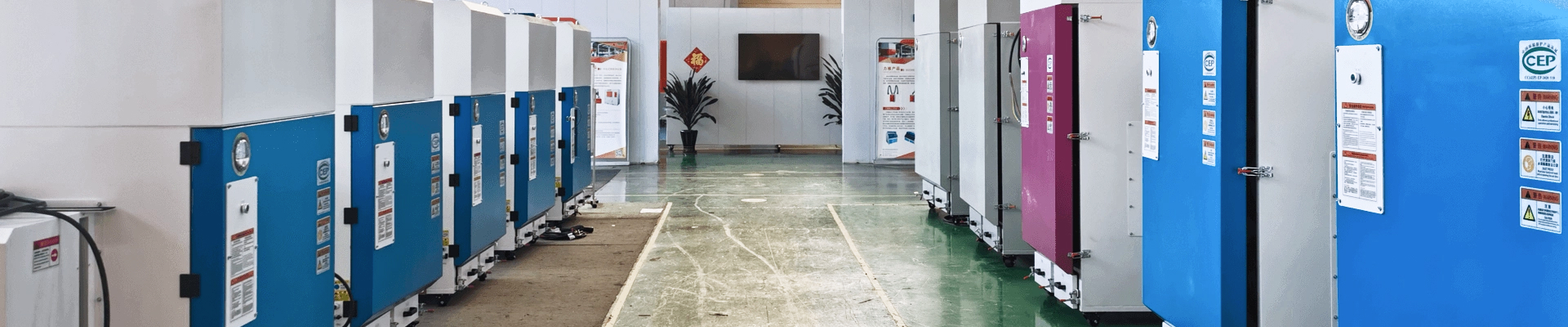
How do global manufacturers solve workshop dust and safety compliance challenges using an industrial grinding downdraft workbench?
Leading manufacturers across metal fabrication, stone processing, and aerospace manufacturing rely on a high-efficiency grinding downdraft workbench (also known as a grinding downdraft table) to capture airborne dust, fumes, and sparks directly at the source. Engineered by DRIC, our downdraft tables provide versatile air purification for metal finishing (welding grinding, polishing), stone grinding (marble), and composite materials (carbon fiber sanding). Featuring multi-stage spark arrestors, high-efficiency HEPA filtration (99.9% efficiency rate down to 0.3μm), and customized table surface materials, these real-world case studies demonstrate how DRIC units ensure regulatory air quality compliance, protect operator health, and boost production efficiency.
1. Cross-Industry Customer Case Study Comparison
The table below highlights real-world application scenarios, operational challenges, and performance outcomes across three key industrial sectors utilizing DRIC grinding downdraft workbenches:
| Industry Sector | Application Scenario | Operational Challenge | Installed DRIC Solution | Key Performance Outcome |
| Precision Hardware & Fabrication | Heavy welding grinding & metal polishing | Incandescent sparks and heavy metal dust burning filter media and threatening workshop safety. | DRIC Grinding Table with heavy steel grate & integrated Spark Arrestor | 100% spark suppression; filter cartridge lifespan extended by 2times. |
| Architectural Stone Processing | Marble edge grinding & stone surface finishing | Fine respirable silica dust causing surface abrasion on workpieces and air quality violations. | DRIC Downdraft Table with rubberized slats & HEPA Filter (99.9%) | Zero surface scratching; breathing zone dust levels reduced below regulatory exposure limits. |
| Aerospace & Composites | Carbon fiber panel sanding & edge deburring | Static-charged, highly conductive sub-micron carbon dust entering motor housings and worker lungs. | DRIC Grinding Downdraft Workbench with anti-static surface & multi-stage filtration | Complete particulate capture (0.3μm); eliminated static risk and electrical short hazards. |
2. Step-by-Step Implementation Framework: How DRIC Deploys Tailored Downdraft Solutions
When deploying a custom grinding downdraft workbench for client facilities, DRIC follows a proven 4-step engineering and installation protocol:
1.Workplace Dust & Process Audit
DRIC engineers analyze the client's material processing method (metal polishing, marble grinding, or carbon fiber sanding) to evaluate airflow volume, spark load, and particulate toxicity.
2.Surface Material & Spark Safety Customization
Select customized table surface materials (steel grates, polyurethane/rubberized slats, or anti-static panels) and integrate mechanical spark arrestors for high-thermal applications.
3.Filtration Engineering & HEPA Integration
Install primary PTFE nanofiber cartridges coupled with a secondary HEPA filter (99.9% filtration efficiency) to ensure clean air can be safely recirculated back into the facility.
4.Installation, On-Site Testing & Compliance Verification
Deploy the workbench, test face velocity (0.5-1.2m/s) across the table surface, and verify air quality standards to guarantee full environmental and occupational safety compliance.

3. FAQ: Practical Insights from Customer Applications
Q: How does a DRIC grinding downdraft table handle heavy sparks during welding grinding?
A: In hardware finishing case studies, high-velocity sparks are intercepted by a built-in mechanical spark arrestor located directly beneath the perforated tabletop. Sparks strike internal baffle plates, lose thermal energy, and drop harmlessly into the dust collection drawer before reaching the primary filter cartridges or secondary 99.9% HEPA filter.
Q: Why are customized table surface materials critical when processing delicate marble or carbon fiber?
A: Standard steel grates can scratch polished marble surfaces or create static buildup when sanding composite materials. DRIC offers customized table surface materials, such as non-marking rubberized slats for stone grinding to prevent surface damage, and anti-static composite surfaces for carbon fiber sanding to safely discharge static electricity.
Q: Can DRIC downdraft workbenches recirculate filtered air directly back into the factory?
A: Yes. Thanks to the multi-stage purification system ending in a certified HEPA filter (99.9% filtration rate down to 0.3μm), the exhaust air meets stringent indoor air quality standards. This allows factories to recirculate clean air indoors, saving significant HVAC heating and cooling energy compared to traditional outdoor duct exhaust systems.
Request Quote
Tell us your inquiry, we will recommend a suitable product model or solution for you!

