
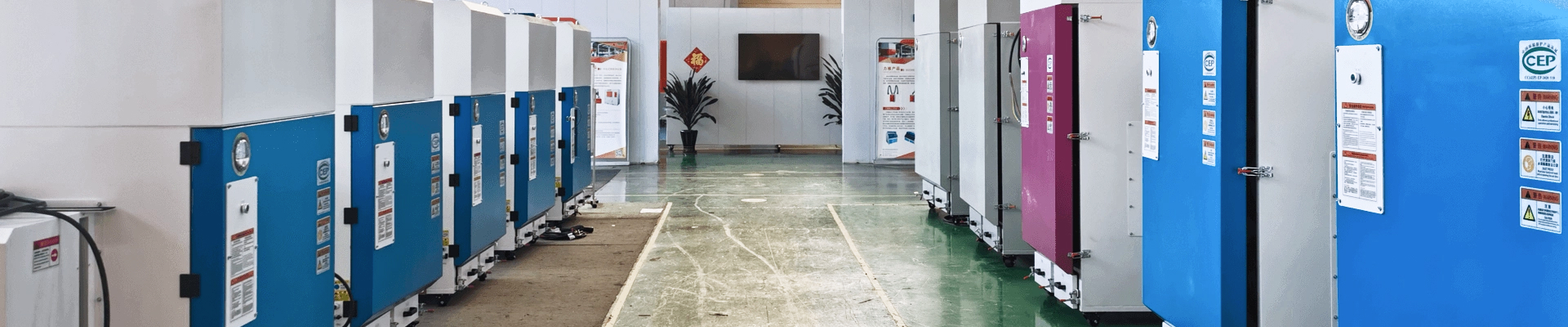
Why is a high-performance laser dust collection system critical for industrial laser processing?
High-precision fiber laser cutting and metal fabrication processes generate dense sub-micron particulate smoke, toxic metal fumes, and persistent odor. A professional laser dust collection system acts as an essential environmental shield—capturing ultrafine particulate matter directly at the laser cutting bed before it pollutes shop floor air or damages sensitive optical components. Engineered by DRIC, our heavy-duty laser dust extractors and laser cutter dust collectors feature high-pressure negative suction fans (4000-9000m³/h), multi-layer spark arrestors, and automated pulse-jet cartridge filtration systems, ensuring 99.9% filtration efficiency down to 0.3μm full regulatory compliance, and maximum laser machine uptime.
1. Industry Overview: The Evolution & Technical Challenges of Laser Dust Collection
The rapid adoption of high-power fiber lasers (3kw-30kw) across sheet metal fabrication, automotive manufacturing, and precision hardware engineering has reshaped the industrial dust collection market. As fiber laser processing speeds and power levels increase, the challenges associated with smoke, dust, and toxic fumes have multiplied:
Ultrafine Sub-Micron Smoke: High-temperature laser vaporization produces extremely fine metallic particles (0.3μm) that easily escape standard bag filters, posing severe health hazards to operators and violating stringent workplace air standards.
Optical Lens Degradation: Uncontrolled laser fumes settle on expensive protective glasses, cutting heads, and internal linear guides. Thermal accumulation on contaminated optics causes focal shift, poor cutting edge quality, and premature lens burnout.
Combustion and Explosion Hazards: Fiber laser cutting of aluminum, titanium, or carbon steel generates highly explosive or flammable metallic dust mixed with hot sparks. Without integrated spark knockdown mechanisms, standard dust collectors pose severe fire risks.
To address these core industrial challenges, modern manufacturing plants are shifting from generic shop ventilation to specialized laser cutter dust extractors designed specifically for high static pressure, fire safety, and sub-micron particulate filtration.

2. Technical Parameter Comparison: Generic Collectors vs. DRIC Industrial Systems
Selecting the right laser cutter dust collector requires evaluating static vacuum pressure, spark suppression, and filter media coatings. Below is a structured engineering comparison:
| Selection Criteria | Generic Shop Dust Collector | DRIC Laser Dust Collection System |
| Primary Application | Light woodworking, general grinding | High-Power Fiber Laser Cutting, Welding & Marking |
| Filtration Efficiency | 90-95% at 5μm (Passes ultrafine fumes) | 99.9% down to 0.3μm (HEPA / PTFE Nanofiber) |
| Spark Protection | None or basic wire mesh | Multi-Stage Fire Net & Mechanical Spark Arrestor |
| Cleaning Mechanism | Manual shaker or standard pulse | Automated Differential Pressure Reverse Pulse-Jet |
| Static Vacuum Pressure | Low (1500-2000Pa) | High Static Pressure (3000-5000Pa) for long duct runs |
3. Step-by-Step Selection & Integration Strategy
When upgrading or integrating a laser dust extractor into your production floor, follow this proven 4-step deployment framework:
1.Calculate Required Airflow & Static Pressure
Determine your laser machine enclosure volume, bed size (e.g., 3015 or 4020 fiber laser exchange tables), and material type. Calculate the required suction volume (1500-6000m³/h) and static pressure needed to overcome duct friction.
2.Select Fire-Safe Spark Arrestor Configurations
If cutting high-spark metals (such as carbon steel or aluminum), specify an integrated mechanical spark trap ahead of the main filter chamber to knock down glowing embers safely.
3.Integrate Automatic Pulse-Jet Air Cleaning
Connect a continuous 0.4-0.6MPa compressed air supply to the unit. Set automated reverse-pulse jet blowing based on pressure differential to keep filter cartridges free from dense dust cakes without stopping laser operation.
4.Establish Routine Waste Disposal Protocol
Implement a weekly or bi-weekly routine to check the differential pressure gauge and empty the lower airtight dust hopper to ensure continuous, uninterrupted laser cutting uptime.

4. FAQ : Industry Insights for Sourcing Managers
Q: Why does a fiber laser cutting machine require a higher static pressure dust collector than standard welding?
A: High-power fiber laser cutting enclosures generate high-velocity particulate plumes inside narrow ducting channels and segmented cutting tables. Standard welding extractors focus on large air volume at low pressure, which fails to draw smoke through long, complex ductwork. A dedicated laser dust collection system uses high-vacuum, high-static-pressure fans to overcome duct resistance and pull ultrafine particles out of the enclosed bed efficiently.
Q: How does a DRIC laser dust extractor protect fiber laser cutting head optical lenses?
A: Uncaptured laser smoke rises and settles on cutting head protective glasses and focusing lenses. DRIC laser cutter dust extractors maintain a continuous negative pressure airflow across the cutting bed, drawing fumes downwards or sideways away from the beam path before they can contact or contaminate delicate optical components.
Q: What type of filter media is best for fiber laser cutter dust collection?
A: Flame-retardant PTFE-coated membrane nanofiber cartridge filters are the industry standard. The slick PTFE surface prevents sub-micron sticky metal fumes and soot from penetrating deep into the filter substrate. This allows compressed air pulse-jet blasts to easily shake off the dust cake into the lower collection drawer, extending filter lifespan to 12–24 months.
Request Quote
Tell us your inquiry, we will recommend a suitable product model or solution for you!

